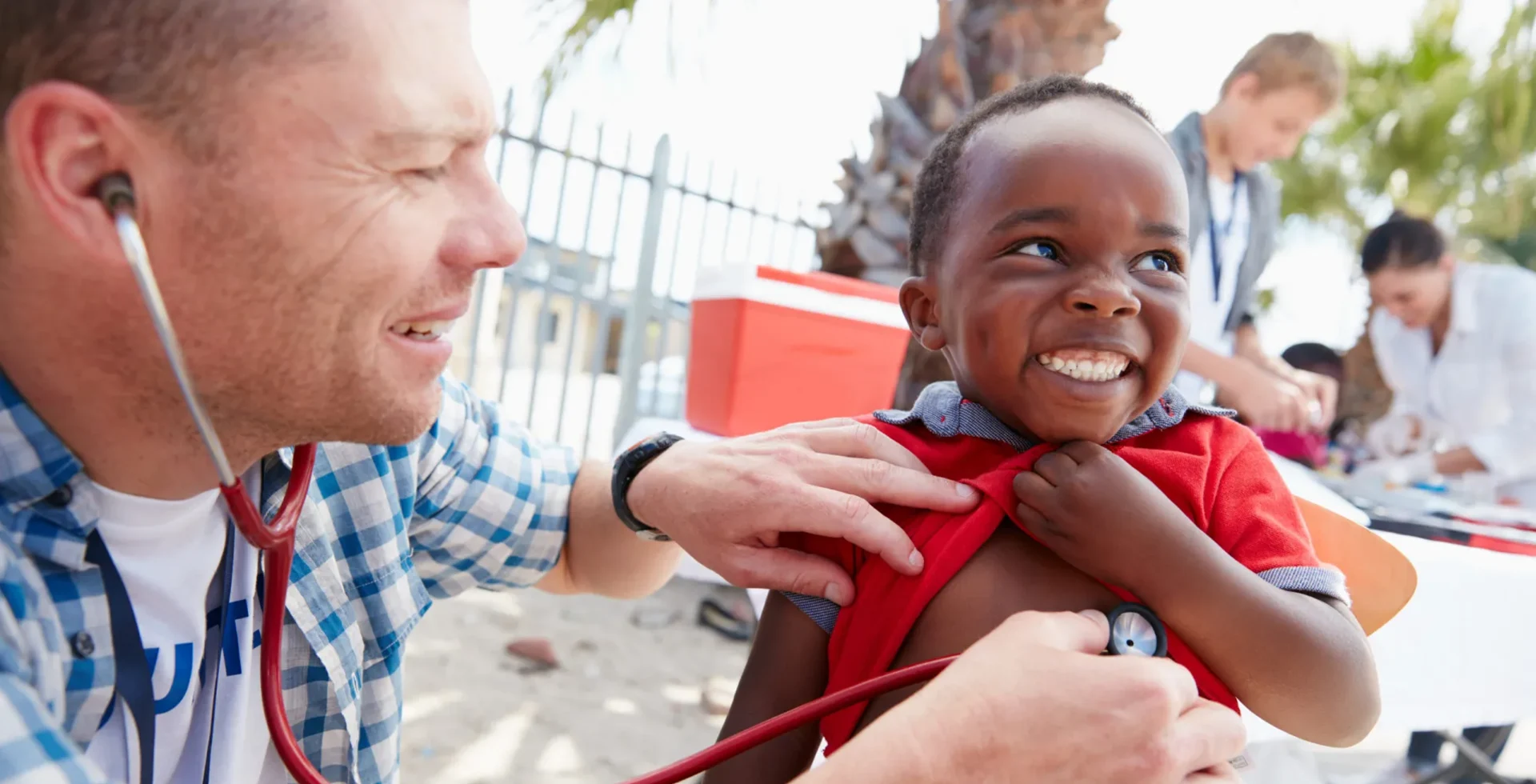

Medicine without borders
Humanitarian medicine and global missions
Solutions and missions to provide care and support to vulnerable populations while strengthening prevention and long-term health.

Humanitarian healthcare
International medical missions
Humanitarian medicine is evolving through more agile tools, stronger international partnerships, and a deeper understanding of local needs. Medical teams rely on real-time data, collaborative platforms, and standardized protocols to respond more quickly and effectively.
01


Capacity building: sustainably training local teams
Strengthening the skills of local healthcare workers supports lasting medical autonomy, extending well beyond the presence of international missions.
02


Mobile clinics: reaching isolated populations
Mobile clinics provide essential access to healthcare in remote areas, enabling screening, first aid, vaccination, and chronic disease monitoring.
03


Emergency response: responding to humanitarian crises
Medical missions play a key role during conflicts, natural disasters, and epidemics, providing a rapid and coordinated response to populations in distress.

Adaptive health support to prevent illnesses early
Personalized and continuous medical monitoring is based on a long-term relationship between the patient and healthcare professionals, allowing for a thorough understanding of health habits, medical history, and risk factors. By combining regular checkups, age- and lifestyle-appropriate examinations, and open dialogue about health goals, healthcare professionals can adjust recommendations proactively.
New technologies, monitoring apps, connected devices, and shared medical records further support more precise and responsive health monitoring. This comprehensive approach not only helps prevent the onset of chronic diseases but also supports individuals in achieving a more balanced, sustainable lifestyle tailored to their needs.
Adopting physical habits for a healthy lifestyle
Incorporating regular physical activity into your daily routine promotes physical and mental balance. Even short bursts of activity spread throughout the day can improve posture, support metabolism, and strengthen physical resilience.

Brisk walking
Brisk walking is easy to integrate into daily life and can improve blood circulation, strengthen the heart, support weight management, and reduce stress. Regular sessions can provide meaningful health benefits.

Swimming
Swimming engages all major muscle groups while limiting joint impact. It strengthens the cardiovascular system, improves breathing, and promotes mental relaxation.

Yoga
By combining gentle movements, stretching, and breathing exercises, yoga can improve flexibility, reduce muscle tension, ease stress, and support lasting physical and mental well-being.

Sleep better: simple practices for effective rest
Quality sleep relies on simple, regular habits that support falling asleep and reduce nighttime awakenings. Turning off screens, maintaining a comfortable bedroom temperature, and adopting soothing bedtime rituals help prepare the body and mind for rest. Combined with a light evening meal and consistent sleep schedules, these habits can promote deeper and more restorative sleep, supporting energy, concentration, and overall well-being.
Medicinal plants and natural remedies effectively
Herbal medicine and the use of essential oils may help relieve certain minor symptoms, although their effects and risks vary by remedy and individual.
Alternative medicine and personalized support
These practices often emphasize individualized care, in which the patient actively participates in care decisions and treatment choices.
Understanding diseases: classification and specificities
Understanding different diseases supports more appropriate prevention and treatment strategies. By classifying pathologies according to their causes, affected organs, or physiological mechanisms, healthcare professionals can target interventions more precisely and anticipate potential complications.
Cardiovascular diseases
Hypertension
Coronary artery disease
Heart failure
Stroke
Respiratory diseases
Asthma
Chronic obstructive pulmonary disease
Pneumonia
Bronchitis
Metabolic diseases
Diabetes
Thyroid disorders
Obesity
Adrenal insufficiency
Unleashing vital energy: methods and practices for revitalization
Practices aimed at restoring a sense of balanced vital energy often combine gentle movement and focused breathing. Activities such as yoga or tai chi, paired with conscious breathing techniques, can help release accumulated tension and promote relaxation.
Holistic practices such as reiki, energy massage, or guided meditation are often used to support relaxation and emotional well-being. Integrating calming practices into daily life may help strengthen a sense of vitality, improve mental clarity, and support overall well-being.
The importance of stress management for health and well-being
When stress becomes chronic, it can affect physical and mental health, including sleep, concentration, immune function, and overall well-being. Learning to manage stress effectively can reduce its negative impact and improve daily quality of life.
Breathing and relaxation techniques
Deep breathing exercises, meditation, and progressive muscle relaxation can reduce physical tension and calm the mind. Regular practice can help restore a sense of calm and improve responses to stressful situations.
Organization and prioritization
Learning to structure tasks, set priorities, and manage time can reduce feelings of overwhelm and associated anxiety. Thoughtful planning helps you approach challenges more calmly and limit avoidable stress.
Healthy eating: essential tips for a balanced lifestyle
Adopting a healthy diet means paying attention to food quality, nutritional balance, and preparation methods.

Vary your diet
Consuming a wide variety of fruits, vegetables, proteins, whole grains, and healthy fats helps provide the nutrients needed for normal body function. Dietary variety can also reduce the risk of nutrient deficiencies and support enjoyable eating.

Control portion sizes and calories
Eating appropriate amounts can help maintain a healthy weight and avoid overeating. Paying attention to portion sizes and limiting foods high in added sugars or saturated fats supports nutritional balance.

Hydration and regular meals
Drinking enough water throughout the day and eating at regular mealtimes can support stable energy levels, digestion, and metabolism. Adequate hydration complements a balanced food intake.